
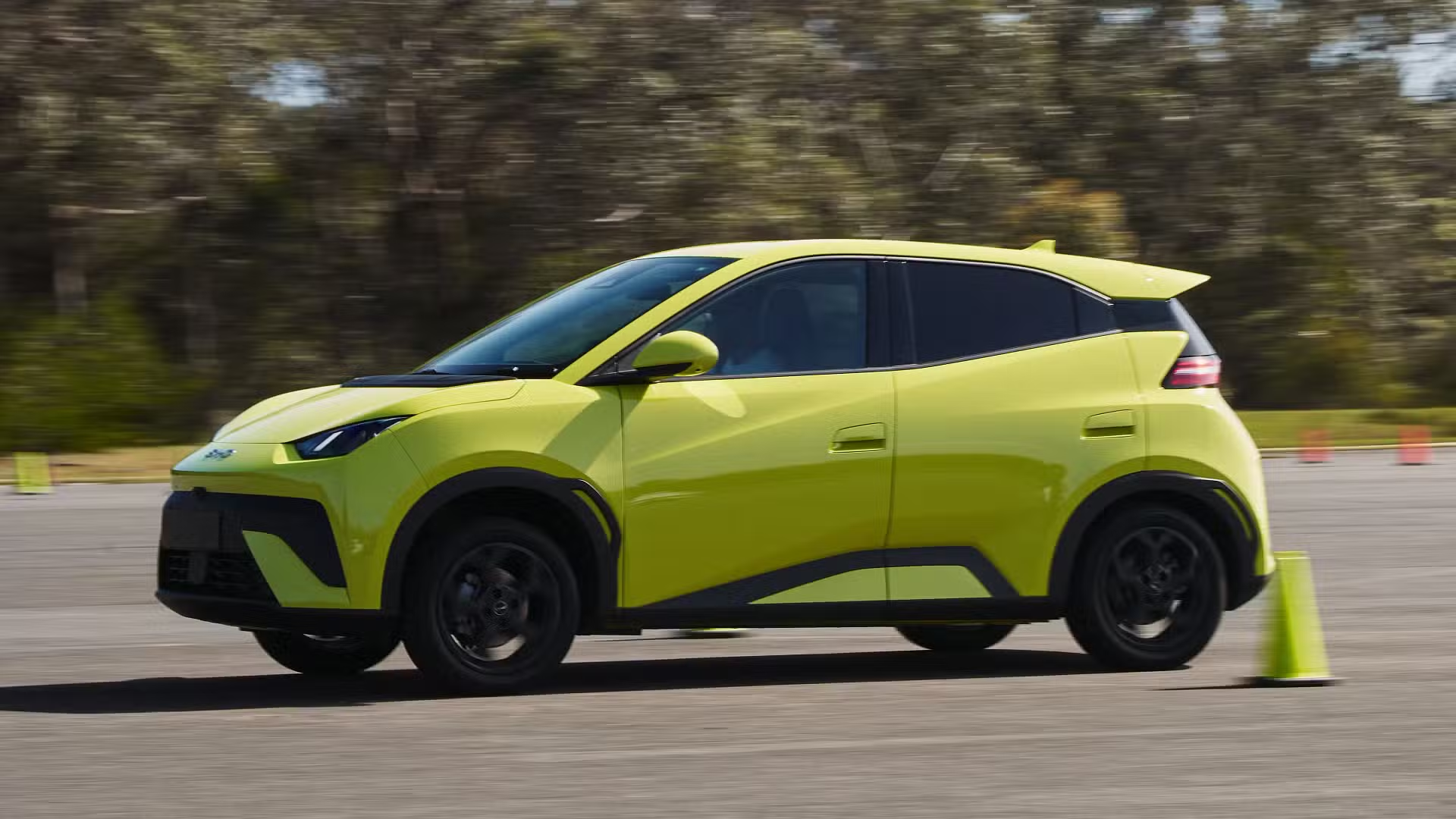
Introduction – The Rise of Budget Electric SUVs in Pakistan
The automobile landscape in Pakistan is undergoing a massive transformation. With growing fuel prices, rising environmental awareness, and the global shift toward cleaner mobility, electric vehicles (EVs) are no longer a futuristic idea—they are today’s reality. Among the most popular categories in this revolution are Electric SUVs, offering a perfect balance of space, comfort, and technology.
By 2026, Pakistan’s electric vehicle market is expected to grow significantly, with a major portion of sales driven by budget-friendly electric SUVs. Brands like MG, BYD, and Changan have already introduced models that appeal to both practicality and performance, giving Pakistani buyers new options in the mid-range EV segment.
Unlike luxury EVs, these affordable electric SUVs are designed to provide the ideal combination of value, style, and sustainability, making them the next big thing in Pakistan’s automotive market.
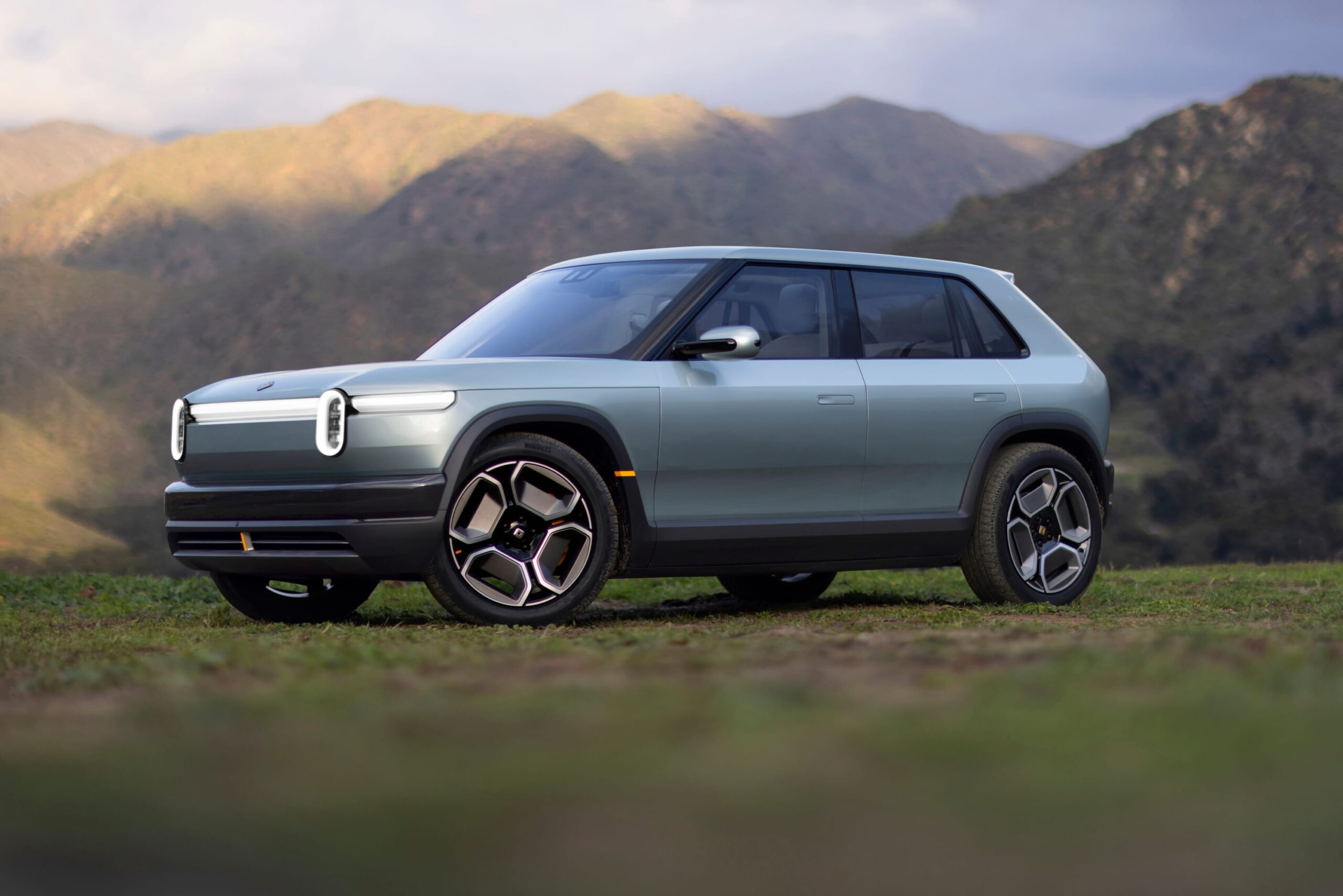
Top Affordable Electric SUVs 2026 in Pakistan
1. MG ZS EV (2026 Model)
The MG ZS EV has been a game-changer for Pakistan’s electric SUV market. Since its introduction, it has become the most popular electric SUV in the country due to its affordability and advanced features.
Key Features:
-
51.1 kWh battery offering up to 420 km range
-
143 hp electric motor with instant torque
-
Modern infotainment system with smart connectivity
-
Safety features like lane assist and adaptive cruise control
Estimated Price (2026): PKR 9.5 – 10.5 million
The MG ZS EV combines efficiency and style, making it an excellent choice for daily commuting and long-distance driving alike.
2. BYD Atto 3
The BYD Atto 3 has made a strong impression worldwide and is now gaining traction in Pakistan’s market. Manufactured by Build Your Dreams (BYD), one of the world’s leading EV makers, it offers futuristic design, powerful performance, and advanced battery technology.
Key Features:
-
60.5 kWh Blade Battery with up to 480 km range
-
Rapid DC charging (30–80% in under 30 minutes)
-
Premium interior with voice control system
-
Equipped with multiple driving modes and regenerative braking
Estimated Price (2026): PKR 11 – 12 million
The BYD Atto 3 stands out as a tech-savvy yet budget-conscious SUV, perfect for Pakistan’s expanding EV audience.
3. Changan Lumin SUV
After its success in compact EVs, Changan is expected to introduce a small-sized electric SUV variant by 2026. Combining affordability with practicality, the Lumin SUV will target urban drivers looking for a low-cost electric SUV with decent range.
Key Features:
-
Compact and city-friendly design
-
Expected range up to 300 km per charge
-
Fast-charging support
-
Smart infotainment and safety tech
Estimated Price (2026): PKR 6 – 7 million
The Changan Lumin SUV is ideal for families seeking budget electric mobility without compromising on comfort and space.
4. JAC E-SUV (Expected 2026 Launch)
JAC Motors, already active in Pakistan’s commercial segment, is gearing up to bring its first E-SUV to the local market. This model will focus on affordability while maintaining global quality standards.
Key Features:
-
50 kWh battery with 350–400 km range
-
High-ground clearance and durable suspension
-
Modern dashboard with digital instrument cluster
-
Energy-efficient powertrain
Estimated Price (2026): PKR 8 – 9 million
With its balance of performance and affordability, the JAC E-SUV could be a serious competitor to MG and BYD in 2026.
5. Seres 3 Electric SUV
The Seres 3, backed by DFSK Pakistan, is another strong candidate for Pakistan’s 2026 EV lineup. Offering an excellent value proposition, the Seres 3 blends European design cues with efficient electric power.
Key Features:
-
52.7 kWh battery with 405 km range
-
Smart connectivity and mobile integration
-
Eco and Sport driving modes
-
0–100 km/h in 8.5 seconds
Estimated Price (2026): PKR 8.8 – 9.8 million
The Seres 3 targets urban families who want premium features without luxury car pricing.
Price Overview & Range Comparison
| Model | Range (KM) | Battery Capacity | Est. Price (PKR) | Charging Time (Fast) |
|---|---|---|---|---|
| MG ZS EV | 420 | 51.1 kWh | 9.5 – 10.5 million | 40 min |
| BYD Atto 3 | 480 | 60.5 kWh | 11 – 12 million | 30 min |
| Changan Lumin SUV | 300 | 35 kWh | 6 – 7 million | 40 min |
| JAC E-SUV | 380 | 50 kWh | 8 – 9 million | 45 min |
| Seres 3 | 405 | 52.7 kWh | 8.8 – 9.8 million | 35 min |
This comparison highlights that BYD Atto 3 leads in range, while Changan Lumin provides the most affordable entry point into Pakistan’s EV SUV market.
Charging Infrastructure and Maintenance Costs
Pakistan’s EV infrastructure is growing rapidly. Major cities like Karachi, Lahore, and Islamabad have started establishing fast-charging stations through private and government partnerships.
Key updates by 2026 include:
-
DC fast chargers are available at motorway rest areas
-
Private charging units provided by brands like MG and BYD
-
EV-ready residential projects with charging facilities
Maintenance costs for EVs are 30–40% lower than traditional vehicles since they have fewer moving parts and no need for oil changes or exhaust repairs.
Benefits of Owning an Electric SUV in Pakistan
1. Cost Efficiency
Despite higher upfront prices, EVs save thousands annually on fuel costs. With the cost of petrol above PKR 300 per liter, the savings are substantial.
2. Environmental Impact
Electric SUVs produce zero tailpipe emissions, contributing to cleaner air in densely populated cities.
3. Government Incentives
The Pakistan Electric Vehicle Policy (EVP) promotes lower import duties, tax reductions, and local assembly opportunities for EVs.
4. Advanced Technology
Most EV SUVs come equipped with AI-assisted driving, touchscreen displays, and smart connectivity, offering a futuristic driving experience.
5. Lower Maintenance
Electric motors are simpler, durable, and require minimal service compared to combustion engines.
Challenges in the Pakistani EV Market
While the outlook for Electric SUVs in Pakistan in 2026 is promising, the market still faces challenges:
-
Limited charging infrastructure in smaller cities
-
High import costs for batteries and components
-
Lack of local EV manufacturing
-
Unpredictable government policies
However, the continued rise in EV awareness, coupled with dealership expansion, suggests these challenges will gradually diminish.
The Road Ahead: EV Market Outlook 2026 and Beyond
By 2026, Pakistan’s electric vehicle ecosystem is expected to be far more advanced. With several brands planning local assembly plants, the cost of electric SUVs may decrease significantly.
Key future trends include:
-
Locally assembled EV SUVs by MG and Changan
-
Introduction of Tesla and BYD assembly operations (potentially post-2026)
-
Increased public and private investment in EV charging grids
-
Expansion of electric ride-hailing fleets and corporate EV usage
The combination of affordability, technology, and government incentives ensures that electric SUVs will dominate Pakistan’s future auto market.
Conclusion – Driving Pakistan Toward an Electric Future
The year 2026 marks a new era for Pakistan’s automotive industry. Affordable electric SUVs are no longer a dream—they are becoming the new standard for efficient and modern driving.
From the MG ZS EV’s reliability to the BYD Atto 3’s cutting-edge technology, Pakistan’s EV lineup offers something for every driver. As infrastructure develops and local manufacturing increases, electric SUVs in Pakistan in 2026 are set to become the cornerstone of sustainable mobility.
In short, the journey toward clean, cost-effective, and innovative electric driving has already begun—and it’s accelerating faster than ever.