
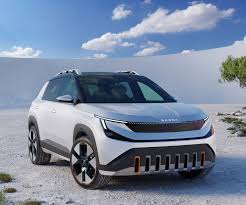
Affordable Electric Cars 2026 – Budget-Friendly Innovation on Wheels
Introduction: The Future of Mobility Within Reach
The global automotive landscape in 2026 is witnessing a pivotal transformation as electric vehicles (EVs) become increasingly accessible to the average consumer. Once considered exclusive to luxury buyers, the electric car segment has evolved to include a wide spectrum of affordable electric cars that combine sustainability, innovation, and practicality.
Automakers across the world — from Tesla and Hyundai to Nissan, Kia, and BYD — are focusing on cost-effective engineering and mass-market appeal. The result is a new generation of electric cars that deliver strong performance, longer range, and advanced technology, all at a fraction of the price of earlier EV models.
As the global demand for sustainable transportation accelerates, Affordable Electric Cars 2026 mark a significant milestone in democratizing electric mobility.
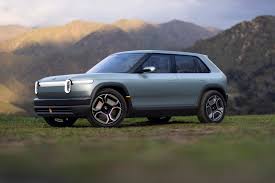
Why 2026 is the Turning Point for Affordable Electric Cars
The year 2026 stands as a defining moment for the EV industry. Rapid advances in battery technology, production efficiency, and government incentives have collectively made electric cars more affordable than ever before.
Key factors driving affordability:
-
Improved battery production: The cost of lithium-ion batteries has dropped by nearly 70% in the last decade, with solid-state batteries entering mass production.
-
Government incentives: Many nations continue to provide tax rebates and subsidies on EV purchases.
-
Economies of scale: With global EV demand rising, automakers are expanding production, reducing per-unit costs.
-
Technological standardization: Shared platforms and modular architectures allow carmakers to produce multiple models more efficiently.
This convergence of factors has given rise to a new category — affordable electric cars that retain performance and comfort while appealing to a broader audience.
Top 10 Affordable Electric Cars of 2026
Let’s examine the most promising and budget-friendly electric vehicles of 2026, offering excellent range, safety, and innovation without the premium price tag.
1. Tesla Model 2 (2026)
The highly anticipated Tesla Model 2 brings the brand’s EV excellence to the mass market. Designed as an entry-level hatchback, it delivers Tesla’s signature performance and intelligent software at an affordable price.
-
Range: 400–450 km
-
Power Output: 250 hp
-
Charging: 80% in 25 minutes (Supercharger)
-
Approx. Price: PKR 7–9 million
Highlights:
The Model 2 features Autopilot capabilities, AI-driven safety systems, and a minimalist interior. It is Tesla’s most accessible car to date, aimed at first-time EV buyers.
2. Hyundai Ioniq 3 (2026)
Building on the success of its Ioniq lineup, Hyundai introduces the Ioniq 3, a compact yet stylish electric SUV that prioritizes efficiency and affordability.
-
Range: 480 km
-
Power Output: 220 hp
-
Charging: 10–80% in 30 minutes
-
Approx. Price: PKR 6–8 million
Highlights:
The Ioniq 3 offers modern interiors, vehicle-to-load (V2L) capability, and smart regenerative braking. It’s the ideal choice for families seeking an eco-friendly SUV.
3. Nissan Leaf Plus (2026 Edition)
The Nissan Leaf, one of the pioneers in the EV space, continues to evolve with the 2026 edition, focusing on affordability and reliability.
-
Range: 420 km
-
Power Output: 215 hp
-
Charging: 80% in 40 minutes
-
Approx. Price: PKR 5–6.5 million
Highlights:
The 2026 Leaf Plus offers enhanced range and safety, with ProPILOT Assist, lane monitoring, and smart connectivity. It remains a benchmark for practical electric commuting.
4. BYD Dolphin 2026
China’s BYD (Build Your Dreams) continues its global expansion with the BYD Dolphin, a compact electric hatchback that delivers value and innovation.
-
Range: 410 km
-
Power Output: 175 hp
-
Charging: 30–80% in 28 minutes
-
Approx. Price: PKR 4–5 million
Highlights:
The BYD Dolphin stands out for its Blade Battery technology, offering superior safety and a long lifespan. It’s designed for urban mobility with minimal running costs.
5. MG4 Electric 2026
The MG4 is a stylish and sporty compact EV that continues to win global attention for its affordability and performance.
-
Range: 450 km
-
Power Output: 200 hp
-
Charging: 80% in 35 minutes
-
Approx. Price: PKR 5.5–6.5 million
Highlights:
With a rear-wheel-drive platform, digital cockpit, and adaptive cruise control, the MG4 balances performance and practicality for modern drivers.
6. Kia EV3 (2026)
Kia expands its electric lineup with the EV3, a compact crossover designed for affordability and everyday comfort.
-
Range: 460 km
-
Power Output: 230 hp
-
Charging: 20–80% in 30 minutes
-
Approx. Price: PKR 6.5–7.5 million
Highlights:
Featuring Kia’s signature design, eco-friendly materials, and SmartSense safety technology, the EV3 represents a balance between innovation and economy.
7. Renault 5 E-Tech (2026)
Renault revives its legendary compact car in electric form — the Renault 5 E-Tech, a retro-inspired yet modern city EV.
-
Range: 390 km
-
Power Output: 180 hp
-
Charging: 80% in 25 minutes
-
Approx. Price: PKR 4–5.5 million
Highlights:
The Renault 5 E-Tech emphasizes urban efficiency, bold design, and user-friendly technology — ideal for city drivers seeking affordable electric performance.
8. Volkswagen ID.2all (2026)
Volkswagen’s ID.2all is the automaker’s commitment to providing affordable electric cars for everyone, built on the MEB Entry platform.
-
Range: 450 km
-
Power Output: 220 hp
-
Charging: 80% in 26 minutes
-
Approx. Price: PKR 5.5–7 million
Highlights:
With digital displays, smart software, and Volkswagen’s proven reliability, the ID.2all is expected to become one of the best-selling EVs in the compact segment.
9. Chevrolet Bolt EV (2026)
After a strong comeback, the Chevrolet Bolt remains one of the most practical and affordable electric hatchbacks available.
-
Range: 430 km
-
Power Output: 200 hp
-
Charging: 80% in 40 minutes
-
Approx. Price: PKR 5–6 million
Highlights:
The Bolt features one-pedal driving, regenerative braking, and an intuitive infotainment system. It’s designed for everyday efficiency and ease of use.
10. Tata Tiago EV (2026 Edition)
India’s Tata Motors continues to lead affordable EV innovation with the Tiago EV, one of the most budget-friendly electric cars globally.
-
Range: 315 km
-
Power Output: 120 hp
-
Charging: 10–80% in 57 minutes
-
Approx. Price: PKR 3–3.5 million
Highlights:
Compact, efficient, and ideal for short commutes, the Tiago EV is redefining affordable mobility in emerging markets.
Price Overview: Top Affordable Electric Cars 2026
| Brand | Model | Range (km) | Power | Approx. Price (PKR) |
|---|---|---|---|---|
| Tesla | Model 2 | 450 | 250 hp | 7–9 million |
| Hyundai | Ioniq 3 | 480 | 220 hp | 6–8 million |
| Nissan | Leaf Plus | 420 | 215 hp | 5–6.5 million |
| BYD | Dolphin | 410 | 175 hp | 4–5 million |
| MG | MG4 Electric | 450 | 200 hp | 5.5–6.5 million |
| Kia | EV3 | 460 | 230 hp | 6.5–7.5 million |
| Renault | 5 E-Tech | 390 | 180 hp | 4–5.5 million |
| Volkswagen | ID.2all | 450 | 220 hp | 5.5–7 million |
| Chevrolet | Bolt EV | 430 | 200 hp | 5–6 million |
| Tata | Tiago EV | 315 | 120 hp | 3–3.5 million |
Technological Advancements in Affordable EVs
Affordable electric cars of 2026 are powered by the same advanced technologies once exclusive to luxury models.
1. Solid-State Battery Integration
Many 2026 EVs use safer solid-state batteries, charge faster, and last longer than conventional lithium-ion batteries.
2. Modular Electric Platforms
Shared architectures like Hyundai’s E-GMP and VW’s MEB enable flexible design and efficient production, reducing development costs.
3. Smart Regenerative Braking
This technology allows EVs to recover energy during braking, extending range and reducing energy consumption.
4. Over-the-Air Software Updates
Manufacturers now deliver performance enhancements and new features remotely, ensuring every EV stays current.
5. AI and Connected Systems
Affordable EVs now feature AI-driven driver assistance, voice recognition, and cloud-based navigation, once reserved for high-end vehicles.
Benefits of Owning an Affordable Electric Car in 2026
-
Cost Efficiency: Electricity costs significantly less than fuel.
-
Low Maintenance: Fewer mechanical components lead to reduced upkeep.
-
Environmental Impact: Zero tailpipe emissions reduce pollution.
-
Government Support: Incentives make initial ownership more accessible.
-
Future-Ready: Prepared for evolving emission regulations.
Affordable EVs allow consumers to embrace the green revolution without financial strain.
Challenges Still Facing the Budget EV Segment
While accessibility is improving, several challenges persist:
-
Charging Infrastructure: Rural regions still face limited access to fast-charging stations.
-
Battery Replacement Costs: Although declining, battery replacement remains expensive.
-
Range Anxiety: Some affordable EVs have limited long-distance capability.
-
Market Awareness: Many potential buyers remain unfamiliar with EV maintenance and benefits.
Nonetheless, with continuous investment in EV networks and education, these barriers are expected to diminish rapidly.
The Future of Affordable Electric Mobility
By 2030, analysts predict that electric cars will outnumber traditional gasoline vehicles in new sales across major markets. Governments are investing in renewable energy grids and nationwide EV charging networks, ensuring electric mobility is practical for all income segments.
Affordable Electric Cars 2026 signify not just a market evolution but a societal transformation — a step toward democratizing sustainable technology and reducing dependence on fossil fuels.
The next decade promises EVs that are smarter, cheaper, and more efficient, powered by global innovation and environmental responsibility.
Conclusion: Affordable Innovation for Every Driver
The Affordable Electric Cars of 2026 represent a historic shift in the automotive world — bringing advanced technology, impressive design, and eco-friendly engineering to a wider audience.
From the Tesla Model 2’s futuristic intelligence to the Hyundai Ioniq 3’s efficiency and the BYD Dolphin’s affordability, these vehicles prove that electric driving no longer belongs only to the wealthy.
2026 is the year when sustainable innovation meets financial practicality — a future where every driver can experience the benefits of clean, quiet, and intelligent mobility.